Physical Address
sidcul BHEL, Inderlok Colony, near Pentagon Mall Road, Shivalik Nagar, Haridwar, Uttarakhand 249403
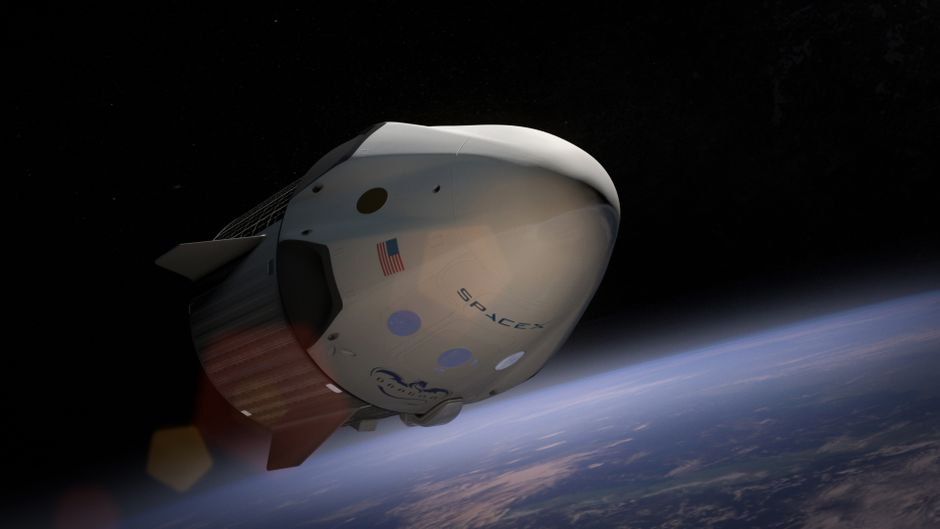
India’s next interplanetary steps – the ISRO Venus mission and the upcoming Mars venture – promise scientific breakthroughs and a fresh spark of wonder for families across the nation.
The ISRO Venus mission slated for launch in the next few years is more than a scientific venture; it is a testament to India’s enduring love for discovery and its hope to inspire families across the nation. While the world watches rockets soar, Indian households gather around televisions, sharing the same excitement that once filled living rooms when Chandrayaan touched the Moon.
Thank you for reading this post, don't forget to subscribe!
At its core, the ISRO Venus mission aims to study the planet’s dense atmosphere, surface geology, and mysterious cloud dynamics. Scientists plan to use a suite of instruments – a spectrometer, a radar mapper, and a magnetometer – to answer age‑old questions about why Venus is so scorching and how its climate evolved.
Launch is expected between 2027 and 2028, using a reliable GSLV Mk III launcher. After a carefully plotted trajectory, the spacecraft will enter Venusian orbit and begin a 30‑day mapping campaign. The data will be shared openly with global research communities, reinforcing India’s reputation as a collaborative space partner.
While the ISRO Venus mission looks outward, ISRO’s Mars plans keep the momentum of the historic 2013 Mangalyaan launch alive. A new rover, equipped with a drill and a sophisticated lab-on-chip, will explore Martian soil for signs of past water and organic molecules. This follow‑up mission, often called Mars‑2, will also test cutting‑edge AI navigation, allowing the rover to make autonomous decisions – a first for Indian spacecraft.
Beyond pure science, the Mars endeavour is a story of perseverance that resonates with every Indian who has faced challenges. Just as families support each other through hardships, the mission embodies teamwork across agencies, universities, and private firms, all united under the same sky.
Space exploration may seem distant, but the ISRO Venus mission and the upcoming Mars venture touch everyday life. They inspire students to study STEM subjects, create high‑tech jobs, and foster a sense of national pride that transcends regional boundaries. When a child in a small village sees a satellite picture of Venus’s bright disc, a spark of curiosity ignites – a spark that can grow into a future scientist or engineer.
Moreover, the missions echo timeless values of love, kindness, and humanity. Just as families look after one another, ISRO’s scientists look after the planet, seeking knowledge that could one day help protect Earth’s own fragile atmosphere. The pursuit of knowledge becomes an act of compassion, reminding us that caring for our world starts with understanding the worlds beyond it.
In the coming years, as rockets roar and data streams flow, India will watch the ISRO Venus mission and the Mars project with hopeful eyes. The stories they bring back will be shared over tea, written in school essays, and celebrated in festivals, weaving space science into the fabric of Indian life.
Originally reported by the source.